Accra, Ghana – 24–25 September 2025
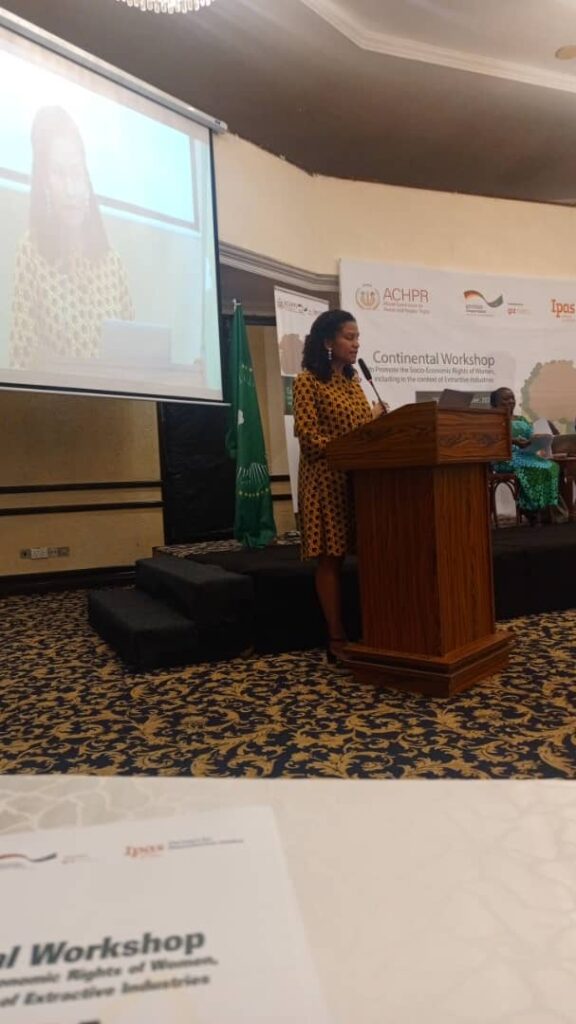
Disabled Women in Africa (DIWA) participated in the Continental Workshop to Promote the Socio-Economic Rights of Women, Including Rights of Women in Extractive Industries, held in Accra, Ghana, from 24 to 25 September 2025. The meeting was convened by the African Commission on Human and Peoples’ Rights (ACHPR) in partnership with Ipas, bringing together representatives from AU Member States, National Human Rights Institutions (NHRIs), civil society organizations, and experts to discuss strategies for advancing women’s socio-economic rights in Africa.
The workshop served as a vital platform to examine how intersecting inequalities, spanning education, employment, sexual and reproductive health and rights (SRHR), and social protection, continue to affect African women, particularly those in extractive industries. Participants explored practical mechanisms to ensure that Africa’s economic transformation prioritizes equity, inclusion, and justice for women in marginalized sectors and communities.
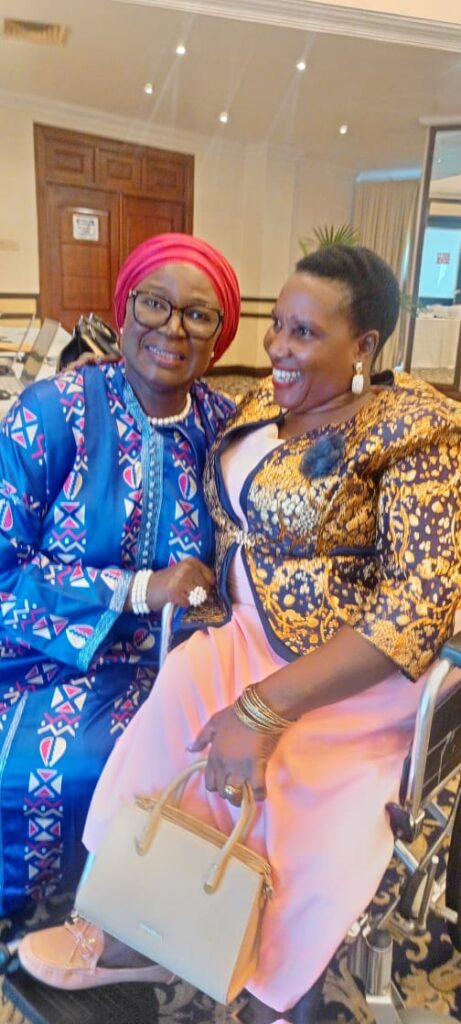
Representing DIWA,Winnifred Namukwaya, Vice Chairperson, contributed to the discussions by highlighting the lived realities of women and girls with disabilities working or living in communities impacted by mining and other extractive activities. She underscored the need for inclusive implementation of the Maputo Protocol and the African Disability Protocol (ADP) to protect women with disabilities from exploitation, exclusion, and gender-based violence.
“Women with disabilities are often invisible in the extractive sector discourse,” said Winnifred Namukwaya. “They experience compounded discrimination, both as women and as persons with disabilities, yet their voices are rarely heard in decisions about compensation, environmental justice, or benefit-sharing. True socio-economic transformation must include them as rights holders, not afterthoughts.”
DIWA’s intervention emphasized that the lack of access to SRHR services, combined with social and economic exclusion, further deepens cycles of poverty and exploitation among women in extractive regions. The organization called for the integration of gender and disability perspectives into national policies on education, health, social protection, and employment, in line with the African Union’s Agenda 2063 and the Sustainable Development Goals (SDGs).
“Disability inclusion is not just a development issue, it is a justice issue,” Winnifred added. “By addressing the SRHR and economic rights of women with disabilities, Africa can build fairer systems that enable every woman to live and work with dignity.”
Throughout the workshop, DIWA joined other civil society and women’s rights organizations in advocating for stronger accountability mechanisms and the establishment of a regional observatory to monitor State compliance with obligations under Articles 21 and 24 of the African Charter on Human and Peoples’ Rights, with particular focus on women’s socio-economic and environmental rights.
The Accra workshop concluded with a commitment by participants to enhance cross-sector collaboration and to advocate for gender-transformative policies that guarantee equitable participation, fair wages, and safe working conditions for women in extractive industries.
DIWA’s participation reaffirmed its regional leadership in connecting gender equality, disability inclusion, and economic justice, contributing to continental conversations that shape policy and accountability frameworks for women’s empowerment.