

Nalini Ramasamy from Mauritius is a powerful advocate whose life reflects courage and transformative leadership. Living with a spinal cord injury and an incurable condition known as Syringomyelia, Nalini has experienced firsthand the exclusion that women with disabilities face in accessing essential services and opportunities.
Rather than being defined by these barriers, Nalini has become a driving force for change. As Executive Committee President of the Women with Disabilities Association in Mauritius, she has played a key role in organizing and strengthening the movement of women with disabilities, ensuring their voices are heard and their rights advanced.
At the community level, Nalini has led consultations on sexual and reproductive health and gender-based violence, creating safe spaces for women with disabilities to share their experiences, identify challenges, and collectively shape solutions. These consultations have contributed to breaking silence, informing advocacy, and strengthening community-driven responses.
One of Nalini’s most notable achievements is her leadership in advocacy and campaigning that contributed to the creation of designated blue parking spaces for persons with disabilities in Mauritius. This milestone not only improved accessibility but also marked an important step toward recognition of the rights and dignity of persons with disabilities in public spaces.
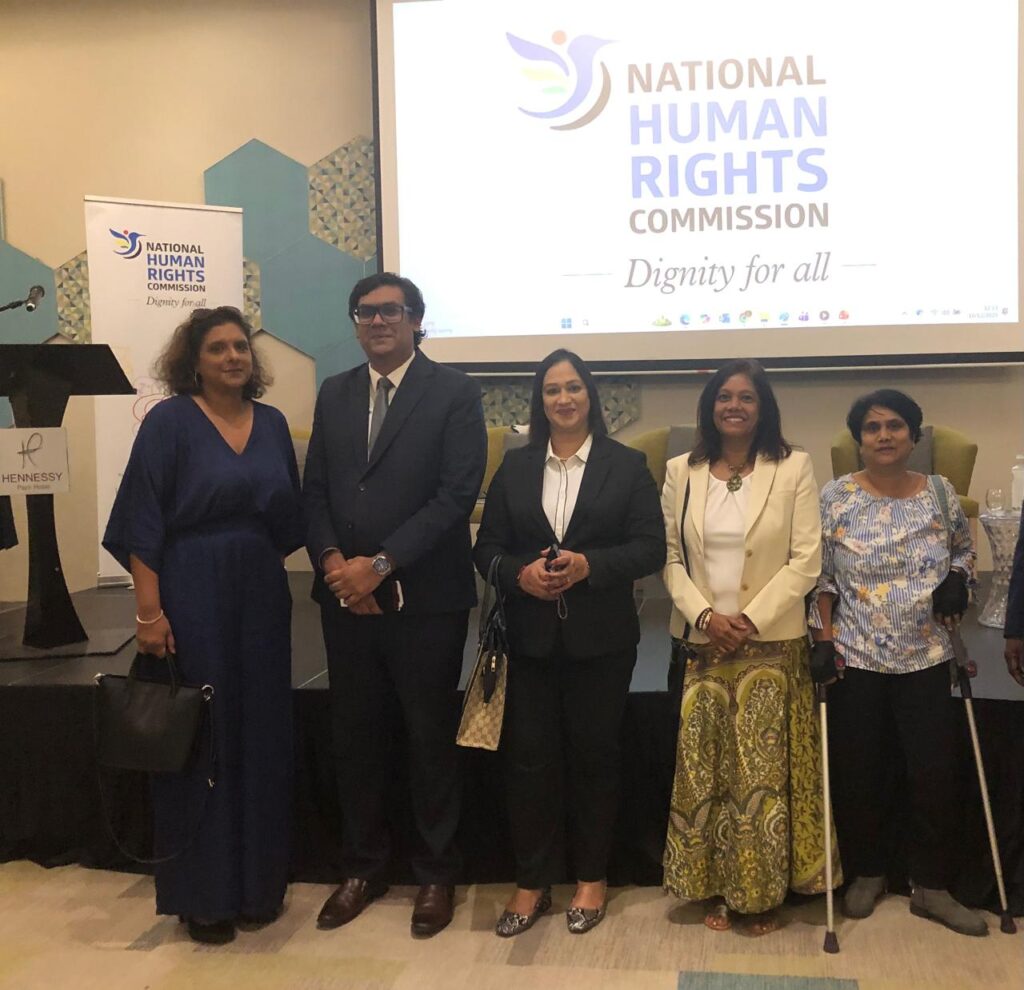
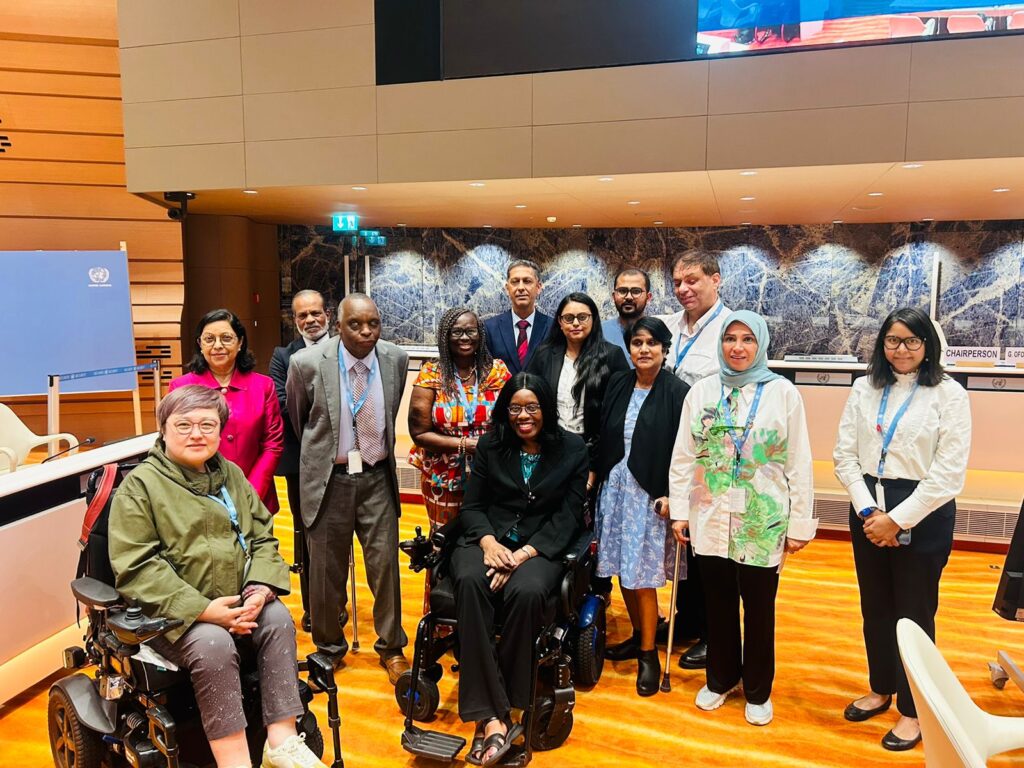
Her influence extends to national, regional, and global platforms. Nalini has contributed to shadow reporting processes under the United Nations Convention on the Rights of Persons with Disabilities (UNCRPD) and actively participated in in-person review sessions, ensuring that the lived realities of women with disabilities in Mauritius are brought to global human rights platforms.
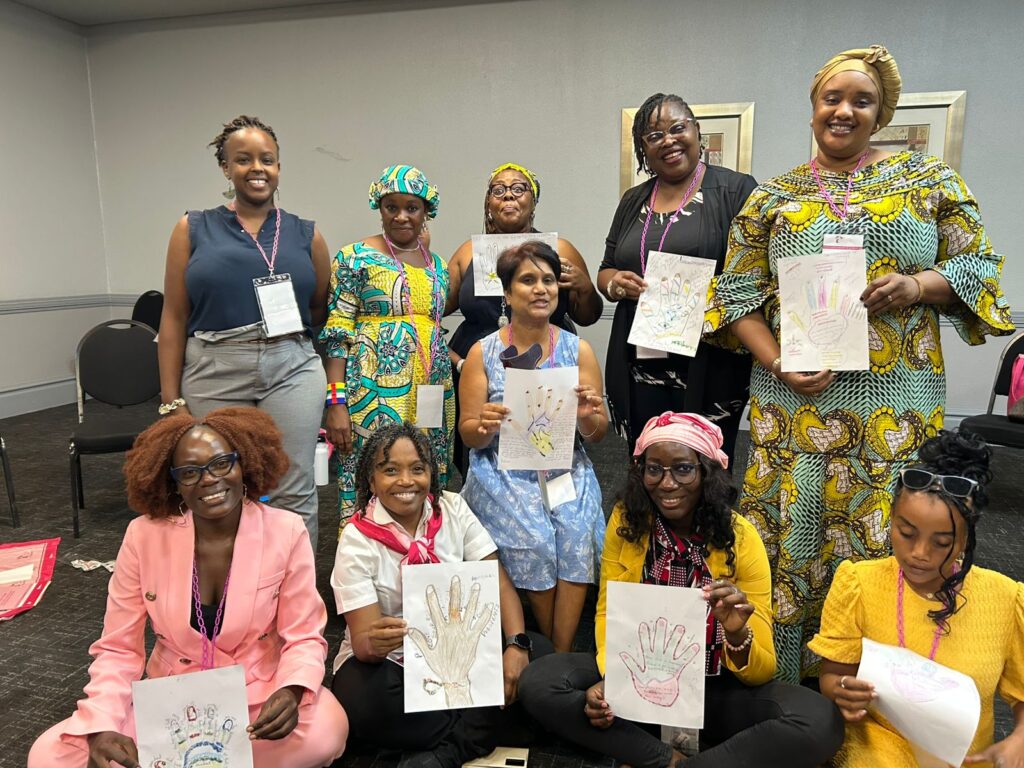
Regionally, she engaged in the 87th Session of the African Commission on Human and Peoples’ Rights in Banjul, contributing to discussions on Mauritius’ progress under the Maputo Protocol and the African Charter.
Nalini embodies bold, inclusive leadership. Her journey demonstrates how lived experience, combined with determination and collective action, can drive meaningful policy and social change. She continues to inspire and pave the way for a more inclusive future where women with disabilities can fully participate and thrive.